

Article: Autumn Visits to Japan: A Travelers Guide

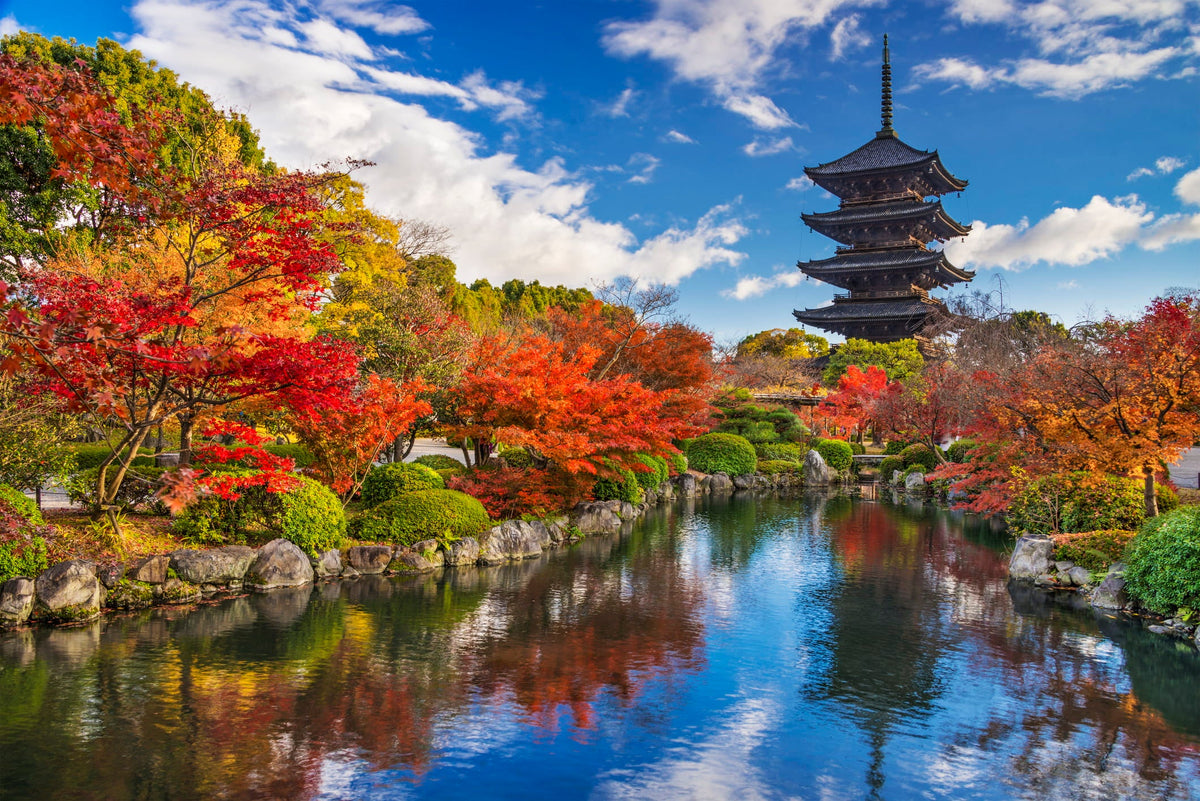
Autumn Visits to Japan: A Travelers Guide
Picture this: you’ve arrived in Kyoto, the maple leaves are glowing, and a lantern-lit garden is waiting. You reach for your camera and discover your phone battery is low. Its charger? Somewhere in the suitcase back at the hotel. Possibly underneath the shoes you packed ‘just in case.’
That is a scene I would much rather imagine than experience.
As I prepare for a new travel destination - especially somewhere completely new, such as Japan - I keep coming back to this: a little preparation leaves so much more room for delight. These Japan travel tips for first-time visitors will help you pack comfortably, settle in gently, and enjoy the discoveries along the way. And in autumn, there is plenty to enjoy.
What to Pack for Japan in Autumn
Autumn in Japan invites you outdoors, with colorful foliage and, later in the season, wonderfully crisp days. But September is not necessarily sweater weather. It can still be hot and humid, with typhoons affecting travel. October and November bring different conditions depending on your route; Kyoto and Tokyo generally reach their best fall color later than northern Japan.

My approach is simple: pack and dress in layers that work together. Comfortable trousers, breathable tops, a light sweater, a weather-appropriate jacket, and a shawl give you options without an entirely separate wardrobe for dinner. Add compact rain protection and walking shoes you have already broken in.
Use Eagle Creek Pack-It Isolate Compression Cubes to organize your layers and keep your suitcase manageable. Leave a little space, too. Japan has a way of making a beautifully wrapped souvenir seem completely essential.
Make Your Flight Comfort Kit
A long flight is much nicer when the things you need are within reach. I like the idea of turning a small Eagle Creek Pack-It Quick Trip Toiletry Kit to store lip balm, moisturizer, an eye mask, and a few personal essentials. Keep your Travelon Premium neck pillow handy and fill your water bottle after security.

Move your legs regularly and get up for a walk when it is safe. For overseas travel I always recommend compression socks by Talus (15-20 compression).
Once you arrive, ease into local time with daylight, water, and a gentle schedule. There is no prize for seeing six attractions before dinner on your first day.
Begin with a Quiet Welcome to Japan
After checking into the hotel, my first choice would be a nearby shrine, temple, or garden. A short, unhurried visit offers a lovely introduction to Japan without turning arrival day into an endurance event.
If Kyoto is on your autumn itinerary, look into an evening temple or garden illumination: glowing leaves, softly lit paths, and reflections on the water. Check dates, opening hours, tickets, and admission fees before you go. These seasonal events can draw crowds, so save one for an evening when you have the energy to enjoy it.
Wear shoes that are easy to remove where required, and pack presentable socks. Follow posted guidance on photography and access, and keep voices low around worshippers. A shawl is handy for cool evenings, too.
Leave Room for Japan’s Food Shops
Some of the most enjoyable discoveries may happen between the famous sights.
Start with a konbini, Japan’s wonderfully useful convenience store. Browse the rice balls, bento boxes, drinks, and sweets. Choosing a snack can become a surprisingly entertaining little outing.
Then explore a depachika, the food hall on the lower floors of a department store. Names such as Isetan, Takashimaya, and Daimaru are worth remembering. Think tempting prepared foods, beautiful confections, and the very real possibility of reconsidering your dinner plans.

For an entirely different shopping mood, there is Don Quijote, with its exuberant assortment of snacks, beauty products, and souvenirs. This is where the spare room in your suitcase starts making sense.
Tuck a Blu Bag by rockflowerpaper into your day bag for purchases, and carry a separate small bag for your trash. Public trash bins can be hard to find, so keep wrappers contained until you reach an appropriate disposal point. Your lovely new purchases deserve their own bag.
Do You Need a Travel Adapter for Japan
Check before you buy. Japan uses 100-volt electricity and commonly has outlets for two flat, parallel prongs. Many U.S. two-prong phone chargers fit without a plug adapter, but three-prong plugs and other plug shapes need special attention. I recommend the Eagle Creek global adapter with USB connectors.
Read each device’s input label. A charger marked 100–240V covers Japan’s voltage, but a plug adapter alone does not change voltage. Check manufacturer guidance for styling tools and medical equipment. My guide to international electrical adapters explains the distinction. A little homework here is much easier than troubleshooting beside the hotel mirror.
Pack for the Moments You Want to Remember
A comfortable flight neck pillow, shoes that cooperate, and a small bag ready for unexpected treasures: these are the details that let you relax into a destination.
Explore my first-time Japan Traveler’s Guide as you plan your trip, and keep my printable Japan Travel Checklist beside your suitcase. Then leave room for a quiet garden, a beautiful meal, and something you never expected to find.
Onward,
Kathleen